Log032
The Oldest Casino in the World: Venice, the Ridotto and the First Gaming Houses
- Logged
- Reading time
- 5 min
- Section
- D Casino History
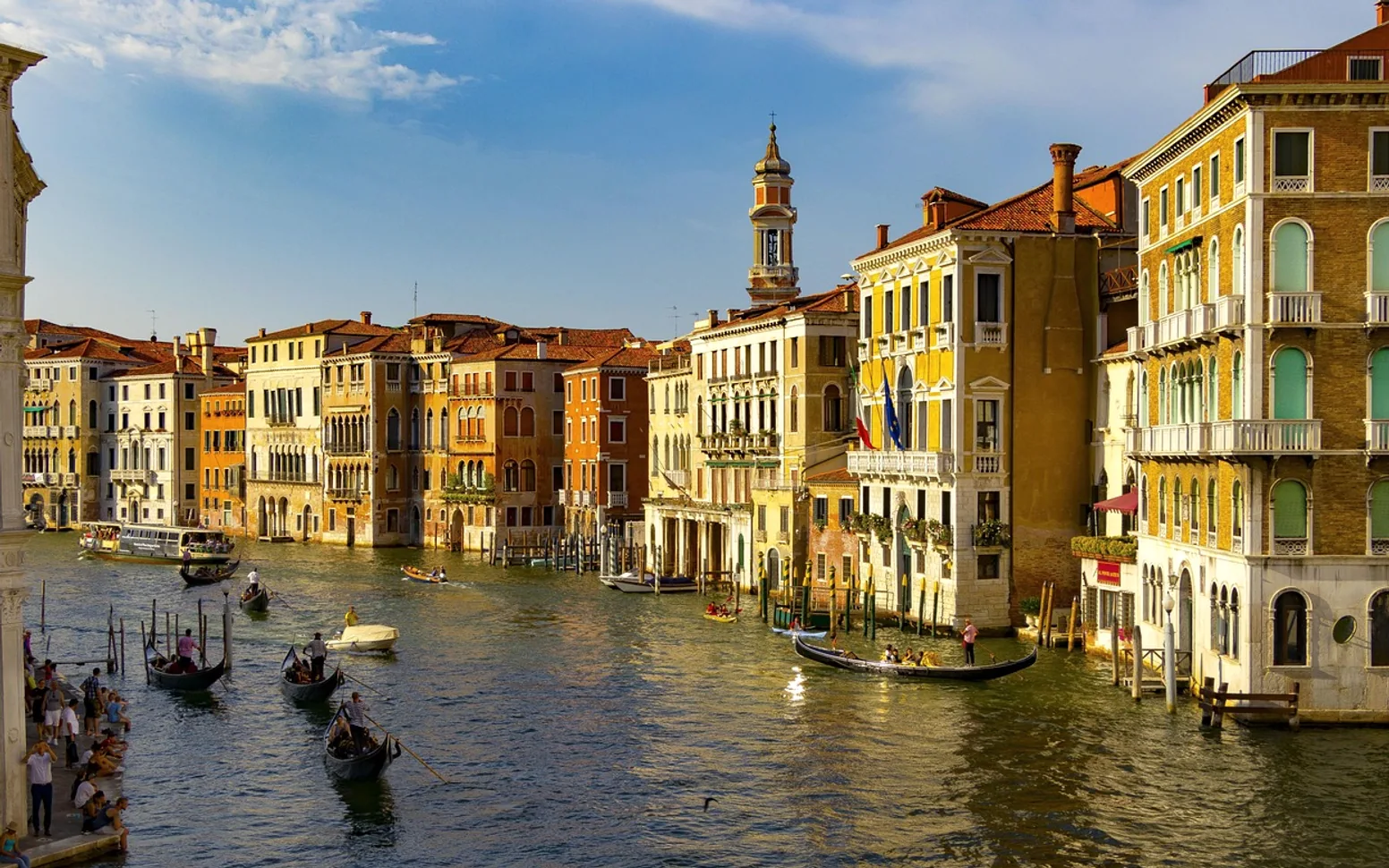
Picture a carnival night in seventeenth-century Venice. Masked figures climb a staircase in a palazzo near San Moisè, past servants with candles, into a run of rooms where cards are already being dealt. Nobody gives their name. The only people with bare faces are the bankers behind the tables, and every one of them is a patrician of the Republic. This was the Ridotto, and it is the strongest answer to the question of which casino came first.
Why Venice gets the title
People gambled long before 1638, in taverns, private houses, army camps and fairgrounds. What changed in Venice was the arrangement. In that year the Great Council authorised a public gaming house in part of the Palazzo Dandolo, run under state supervision, with set opening times and rules about who could hold the bank. It was not a back room tolerated by a blind-eyed magistrate. It was a licensed venue, open to the public, built for gambling and nothing else.
That combination is what historians mean when they call the Ridotto the first casino in the modern sense. Several features would look familiar to anyone who has walked onto a gaming floor since:
- A fixed, purpose-run building instead of a room borrowed for the evening.
- A house that held the bank, so players gambled against the establishment rather than only against one another.
- Rules and oversight set by the authorities, with the aim of channelling gambling into one place that could be watched.
- A dress code of sorts: guests were expected to arrive masked, which kept rank and identity out of the room.
What went on inside
The Ridotto was a series of rooms rather than one great hall. Some were for play, others for conversation and refreshments, and a quieter room was set aside for those who wanted to talk business or simply sit. The main games were banking card games, above all basset and biribissi, a lottery-style board game. Basset later travelled to France and England and fed into the faro craze, a story told in our piece on the card game behind "bucking the tiger".
The bankers were members of the Venetian nobility, and they sat at the tables in their robes with their faces uncovered. Holding the bank was a privilege that came with rank, and it was a dependable source of income for families whose estates no longer paid for their palaces.
Masks as a social tool
Masks did more than add atmosphere. A merchant and a nobleman could sit at the same table without the usual ceremony, and debts and losses were less visible to the wider city. The anonymity also made the room hard to police in any modern sense, which helps explain the trouble that followed.
Why the Ridotto closed
By the eighteenth century the Ridotto had a reputation that worried the authorities who had created it. Fortunes were lost there, and accounts from the period describe families of standing pushed into debt by evenings at the tables. In 1774 the Great Council voted to close it. Gambling did not stop in Venice, of course; it moved into private clubs and smaller rooms, the casini, which is one of the roots of the word we use today.
The old casinos that still claim the crown
Because the Ridotto shut, the question "what is the oldest casino in the world?" has more than one answer depending on whether you mean the first ever or the oldest still operating. The main contenders are below. Dates are founding dates as usually given, and the buildings have changed hands, rules and roles many times since.
| Venue | Place | Claim |
|---|---|---|
| Casino di Venezia | Venice, Italy | Traces its line to the 1638 Ridotto; now housed in the Ca' Vendramin Calergi palace on the Grand Canal |
| Casino de Spa | Spa, Belgium | Opened in the 1760s in the town that gave its name to spa resorts; often called the oldest casino still in use |
| Kurhaus casino | Baden-Baden, Germany | Gaming rooms in a spa assembly hall from the early nineteenth century, later decorated in a French palace style |
| Kursaal | Bad Homburg, Germany | Opened in the 1840s by the Blanc brothers, who later took their single-zero roulette to Monaco |
| Casino de Monte-Carlo | Monaco | Opened in the 1860s; the template for the grand resort casino |
Monte Carlo is the youngest on that list, yet it is the one most people picture. It owes a great deal to Bad Homburg, a link covered in our history of who invented roulette.
The spa-town pattern
Look at the list again and a pattern jumps out: after Venice, the casino grew up in health resorts. Wealthy visitors came to take the waters, had long evenings to fill and money to spend, and towns competed for them. A Kursaal, literally a "cure hall", held concerts, balls and reading rooms, and gaming tables paid for much of it. When the new German Empire shut its public gaming halls in the 1870s, the operators moved to places that welcomed them, and the Riviera won.
The same logic, gambling as a draw for visitors with money to spend, shaped very different places later on. It explains the floating halls of the American rivers, described in our article on riverboat gambling, and it is still visible in East Asia, where some countries built gaming floors almost entirely for tourists, as the story of casinos in South Korea shows.
What survives of the Ridotto idea
Some ideas from 1638 have lasted remarkably well. The house holding the bank is now the standard model. Governments still license casinos partly to keep gambling in places they can supervise. And the attention paid to how a room makes people feel, with soft lighting, comfort and few reminders of the hour outside, has only grown more deliberate, as the piece on casino design and architecture explains.
The worry that closed the Ridotto has lasted too. A hall built for pleasure can also drain a household, and the Venetian council saw that more than two centuries before anyone wrote about problem gambling.
This is a history piece for readers aged 18 and over. Anyone who plays at a casino today should check the gambling laws where they live and set a spending limit before the first bet, not after the last.