Log031
Casinos in South Korea: A Short History
- Logged
- Reading time
- 4 min
- Section
- E Casino History
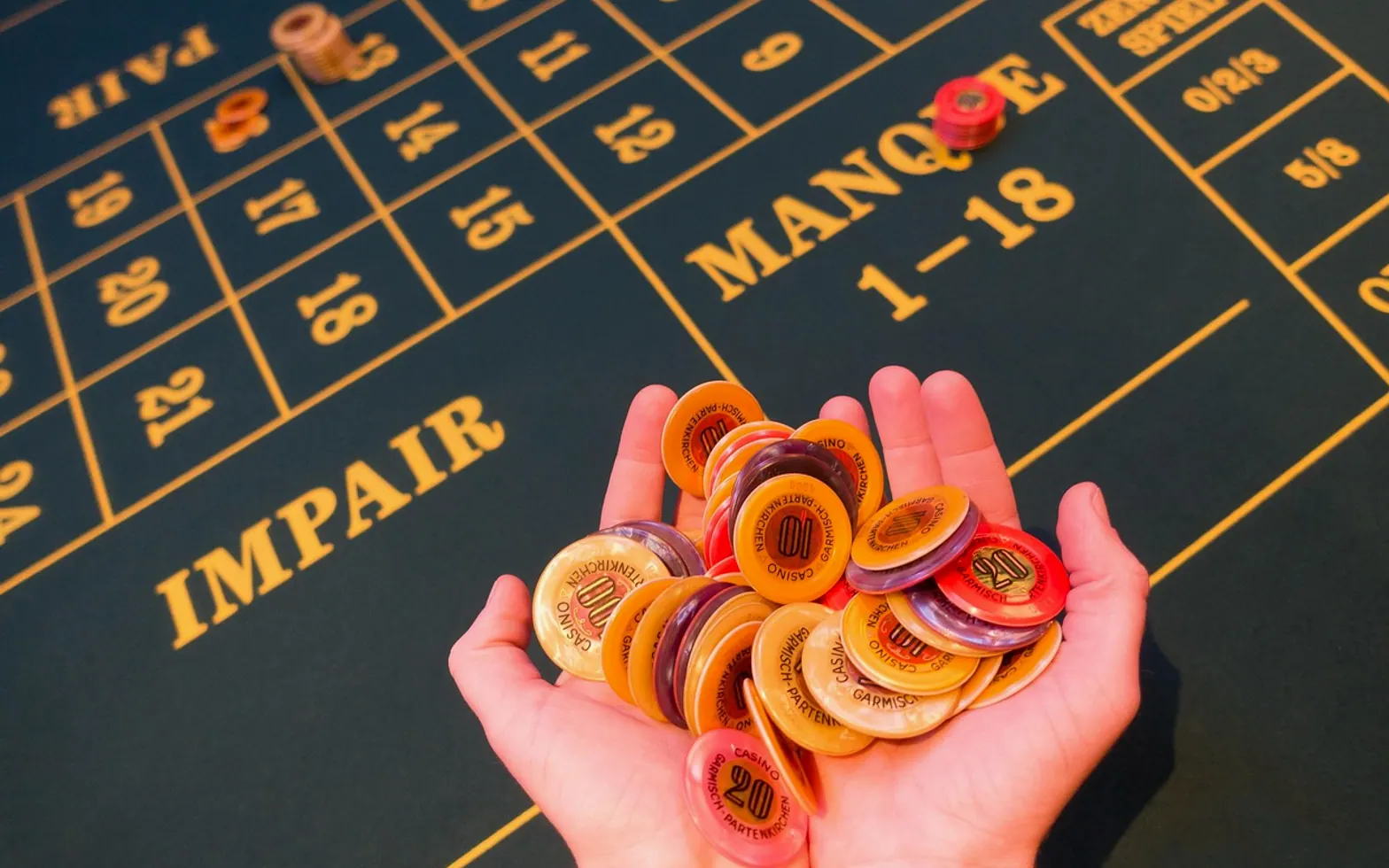
South Korea's casinos were built mostly for visitors from abroad. For most of their history, nearly every licensed gaming floor in the country has admitted only foreign passport holders, while Korean citizens have been allowed to play at just one domestic resort casino in a mountain region. That split shaped where casinos appeared, what they look like and how they fit into a night out in Seoul.
A policy aimed at tourism, not residents
Gambling has long been treated cautiously in Korean law. Lawmakers took the view that commercial casino gaming carried social risks for residents, yet they also saw foreign tourists as a source of spending and hotel business. The compromise was a licensing model in which casinos could operate, but only for guests from overseas. Gaming became a tourism product, regulated alongside hotels and travel services rather than offered as everyday entertainment for locals.
This approach set Korea apart from places where casinos grew out of local demand. Here, the customer base was defined in advance, and the venues were designed around people who arrive by plane, stay a few nights and move on.
How the casinos grew
The early foreign-only casinos were small rooms inside large international hotels. That pairing made sense: the hotels already hosted the travellers the law had in mind, and gaming gave them one more reason to stay. Over time, the model followed the growth of inbound tourism in a few clear stages:
- Hotel gaming rooms in the capital. Seoul's first casinos were attached to established hotels serving business travellers and tour groups.
- Spread to other port and tourist cities. As international arrivals increased, licences appeared in coastal cities with ferry and air links to neighbouring countries.
- Jeju becomes a hub. The volcanic island, already promoted as a holiday destination with relaxed entry rules for many visitors, gathered a cluster of foreign-only casinos inside its resort hotels.
- Integrated resorts. Later projects combined gaming with convention halls, shopping, dining and entertainment, following a pattern seen elsewhere in Asia, where the casino is one part of a larger leisure complex.
What about the domestic casino?
The single resort open to Korean citizens sits far from the big cities, in a former mining area. It was approved as part of an effort to bring new work and visitors to a region whose main industry had declined. Access for local players comes with its own set of controls, which reflects the same caution that keeps the other venues closed to residents.
What the floors look like
Because the guests were expected to come from many countries, Korean casinos tend to offer games familiar across the region. Baccarat has traditionally been the centre of the table area, alongside blackjack, roulette and dice games, with electronic machines filling the rest of the floor. Staff often speak several languages, and the design language is closer to an international hotel lobby than to a themed resort. Readers interested in how layout shapes the feel of a gaming room will find more in our piece on casino design and architecture, and the people running the tables are described in what a croupier actually does.
| Feature | Typical foreign-only casino | The domestic resort |
|---|---|---|
| Who may enter | Foreign passport holders | Korean citizens, with controls |
| Usual setting | City or island hotel | Mountain resort |
| Main purpose | Inbound tourism | Regional redevelopment |
| Proof of eligibility | Passport at the door | Identification and entry rules |
Other legal forms of betting
Outside the casinos, legal gambling in Korea runs through a short list of state-sanctioned channels, such as the official lottery, the state-licensed sports lottery, and wagering on horse racing and a few other regulated sports. Private betting sites and unlicensed operators fall outside that framework. Anyone curious about the rules should read the current law where they live and, for visitors, the entry requirements of the venue itself.
A reminder that holds anywhere: gaming is for adults aged 18 and over (some venues set a higher minimum), it is a form of paid entertainment rather than a way to earn money, and the legal position differs by country, so check it before you play.
Casinos in Seoul's evening landscape
For most people visiting the capital, a casino is a small part of the night rather than its focus. Seoul's evenings revolve around food first: barbecue restaurants, late-opening noodle shops and night markets keep the streets busy well after dark. Theatres stage musicals and non-verbal performances aimed at international audiences, and the riverside parks fill with walkers and cyclists.
Karaoke is the other fixture. Private singing rooms, called noraebang, rent out soundproofed spaces by the hour to friends, families and colleagues, and they appear in nearly every neighbourhood. Groups planning a singing night in the southern districts sometimes look at local listings such as Gangnam Karaoke to get a feel for the options before they go. Compared with the hotel gaming floors, these rooms are open to residents and visitors alike, which explains why they are far more woven into everyday social life.
Why did Korea not open casinos to everyone?
The official reasoning has centred on protecting residents from gambling harm while still earning tourism revenue. Debates about relaxing the rules surface from time to time, but the foreign-only model has stayed the main structure, with the domestic resort as the notable exception.
The pattern in brief
The history of Korean casinos is less about famous gamblers or landmark buildings and more about a deliberate policy choice. By tying gaming to tourism, the country produced a network of hotel casinos that most residents never enter, a single domestic resort with tight controls, and a nightlife culture in which dining, shows and singing rooms play a bigger role than the tables. That combination still defines how casinos sit in the Korean landscape today.