Log027
The Illusion of Control in Gambling: Rituals, Timing and Lucky Picks
- Logged
- Reading time
- 4 min
- Section
- D Play Smart
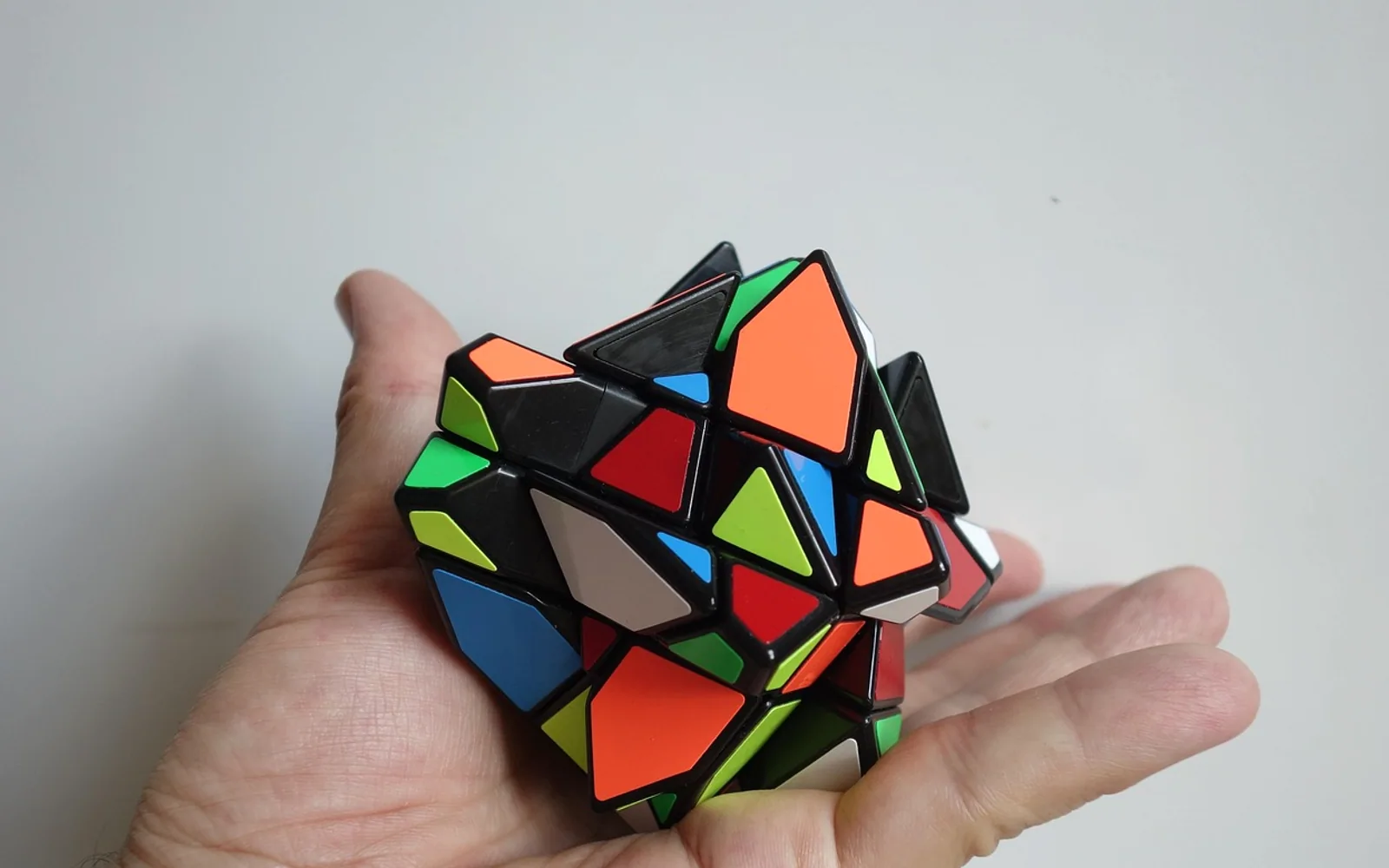
The illusion of control is the feeling that your own actions can influence outcomes that are actually decided by chance. In gambling it shows up as rituals, careful timing and "lucky" choices that seem to tip the result your way. In a game of pure chance they do not. What you control is how much you stake, how long you play and whether you play at all; what lands on the reels or the wheel is outside your reach.
The term comes from psychology research on how people behave when they are allowed to make choices in games of luck. Being involved tends to make people more confident, even when the choice changes nothing.
What it looks like in practice
- Quick-stop timing. Pressing the button to halt the reels at what feels like the right instant.
- Lucky numbers and seats. Always backing the same roulette numbers or choosing a particular table or game window.
- Dice rituals. Blowing on dice, throwing softly for low numbers or hard for high ones.
- Pick-me bonus rounds. Agonising over which box or tile to open, as if one choice is smarter than another.
- Superstitions. A shirt, a time of day, a sequence of clicks before spinning.
- "Feel" for a machine. Sensing that a game is about to pay because of how recent spins looked.
Why choice feels like control
Several things make the illusion strong. Active involvement, such as pressing a button or picking a number, makes people feel responsible for the outcome. Wins tend to be credited to good choices, while losses are blamed on bad luck, so the sense of skill survives a losing night. Near misses, where the reels stop one symbol short, feel like evidence that you were close, which encourages another try.
Familiarity adds to it. After hundreds of spins on a favourite game, its sounds and rhythms feel known, and knowing a game well is easily confused with being able to influence it.
Where skill matters and where it does not
Not every casino game is pure chance, which is part of why the illusion is so easy to carry from one game to another.
| Game | Can decisions change the outcome? | What your choices actually affect |
|---|---|---|
| Online slots | No | Which game, stake size, session length |
| Roulette | No | Which bets you place and how much |
| Baccarat | No (drawing rules are fixed) | Banker, Player or Tie, and stake |
| Blackjack | Yes, partly | Correct play lowers the house edge but does not remove it |
| Poker | Yes, against other players | Long-run results, minus the operator's rake |
| Sports betting | Knowledge helps judge prices | Selection and stake, while the margin and randomness remain |
Does the quick-stop button change the result?
In typical online slots, no. The outcome of a spin is settled by the random number generator when the spin begins. Stopping the reels early only shortens the animation that reveals a result already fixed.
Do pick-me choices matter?
In many bonus rounds the prize is decided before you tap anything, and the boxes simply reveal it. Even where picks are genuinely random, no tile is more likely to hold the top prize than another.
Related traps
The illusion of control often travels with two other beliefs. The gambler's fallacy says a result is due because it has not happened lately; the hot hand fallacy says a winning run will keep going. All three give the player a sense of reading or steering the game, and all three tend to push stakes and sessions upward.
Redirecting the instinct
The urge to control things is not a flaw; it is just pointed at the wrong target. Aim it at the parts of play you really do decide:
- The budget. Settle the amount for the evening before logging in.
- The stake. Choose a bet size that lets the budget last the time you want to play.
- The clock. Set a finishing time, and use a reality check reminder so the screen tells you when it arrives.
- The game. Read the information screen for return and volatility before you start, rather than relying on how a game "feels".
- The exit. Decide in advance what ends the session: a time, a spend or simply the moment it stops being enjoyable.
A harmless ritual, like a favourite chair or a cup of tea at the start of a session, is fine. It only becomes a problem when it is used to justify bigger stakes or longer play.
For readers aged 18 and over: the parts of a session you can truly steer are the budget, the stake and the clock. Use those, check what the law allows where you live, and ask for help early if gambling stops feeling like a choice.